

The evolution of gambling from ancient rituals to modern casinos
The evolution of gambling from ancient rituals to modern casinos
Historical Beginnings of Gambling
The roots of gambling can be traced back to ancient civilizations where chance and fortune played significant roles in daily life. Archaeological evidence indicates that the earliest forms of gambling began in Mesopotamia around 3000 BC, where dice made from animal bones were discovered. These ancient rituals involved betting on outcomes of events, a practice that reflected both social and economic aspects of the time. The association between gambling and fate established a connection that many cultures embraced. Today’s platforms like the Posido site highlight the ongoing legacy of these traditions.

In ancient China, around 2000 BC, gambling took another form with the creation of games that involved betting on the outcome of matches and races. The Chinese invented various forms of gambling, including early versions of keno and lottery games, which would later influence modern gambling structures. These early gambling practices often linked to religious ceremonies and community events showcased the deep-seated cultural significance of gaming, which extended beyond mere entertainment.
The Egyptians also participated in early gambling activities, evident from artifacts and drawings depicting dice games. These games often served as a means of socializing and were even considered to have divine connections. The acceptance of gambling in these societies laid the groundwork for its evolution, setting the stage for more organized and sophisticated gaming activities in the centuries to come.
The Rise of Organized Gambling
As civilizations advanced, so did the structure of gambling. In Ancient Rome, for instance, gambling became a prominent aspect of society, especially during the reign of Augustus. Organized betting on gladiatorial games and chariot races provided the masses with an avenue to indulge in their passion for risk. The Romans introduced various betting formats, which emphasized the need for regulation, leading to the establishment of rules and codes of conduct surrounding gambling.
By the Middle Ages, the concept of gambling evolved with the introduction of card games, which became popular in European courts. These games, often played by the aristocracy, marked the transition towards more formalized gambling establishments. The first recorded gambling house, known as a “casino,” emerged in Venice in the 17th century, signifying a pivotal moment in the history of gaming where gambling became more structured and less associated with the illicit activities of previous eras.
In this context, the emergence of lotteries also played a crucial role in shaping modern gambling. Governments across Europe started using lotteries to fund public projects, further legitimizing the practice and integrating it into societal norms. By the 18th century, the establishment of betting houses and casinos in major cities marked the transition into what we recognize today as modern gambling establishments.
The Age of Regulation and Modernization
The 19th century marked a significant turning point in the world of gambling, as governments began to regulate the industry. The establishment of laws aimed at curtailing illegal gambling led to the formation of licensed establishments, providing a safer and more controlled environment for players. The rise of horse racing betting became an integral part of this regulatory framework, bringing in large numbers of participants and significant revenue for states.
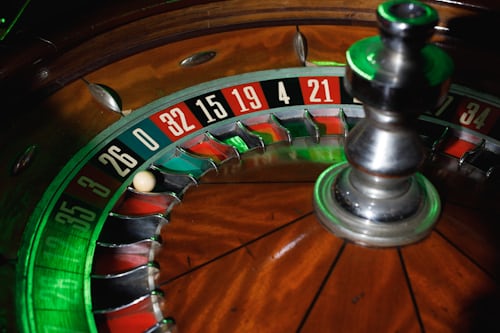
Simultaneously, gambling games continued to evolve. The invention of roulette in France and the development of poker in the United States captured the imagination of players worldwide. With their combination of chance and strategy, these games became staples in casinos, attracting a diverse clientele. This era marked the beginning of casino culture, where lavish establishments emerged to cater to the growing appetite for entertainment and luxury.
The introduction of electronic gaming machines in the 20th century revolutionized the gambling landscape further. The first slot machines appeared in the early 1900s, changing the way players engaged with gambling. With their simple mechanics and the allure of jackpots, these machines became hugely popular and remain a significant part of modern casinos. This technological evolution made gambling more accessible, leading to the expansion of casinos into new territories.
The Digital Transformation of Gambling
With the dawn of the internet, the gambling industry experienced another monumental shift. Online casinos began to emerge in the mid-1990s, allowing players to gamble from the comfort of their homes. This accessibility opened up new markets, attracting a global audience. Players could access a wide variety of games, from traditional slots to live dealer experiences, thereby enriching their gaming experience.
The integration of mobile technology further revolutionized the gambling landscape. Today, players can enjoy games on smartphones and tablets, making gambling more convenient than ever. The rise of mobile casinos like the Posido casino Canada has led to an increase in participation, particularly among younger demographics. This digital transformation not only facilitated growth but also spurred innovation, with developers constantly creating new games and features to enhance user experience.
Moreover, advancements in technology have improved security measures within online gambling platforms. Today’s casinos utilize advanced encryption technology to protect users’ personal information and financial transactions. Responsible gambling practices have also gained prominence, with many platforms promoting tools and resources to help players manage their gambling activities. This blend of innovation and responsibility continues to shape the future of gambling in the digital age.
The Experience of Modern Casinos and Online Platforms
Modern casinos are a far cry from their ancient counterparts, characterized by extravagant architecture and a wide array of gaming options. Today’s establishments often feature not only traditional games like blackjack and roulette but also immersive experiences such as virtual reality gaming. These modern casinos strive to create an all-encompassing entertainment environment, complete with dining options, live shows, and luxury accommodations, appealing to a diverse clientele.
Additionally, online platforms like Posido Casino have emerged as leading players in the industry, providing extensive reviews that highlight their offerings. The Posido casino review includes information on generous bonuses, payment methods, and 24/7 customer support. This accessibility has become a major factor in attracting both casual players and gambling enthusiasts.
Moreover, the ongoing integration of technology within these platforms, including features such as live dealer games and interactive slots, enhances the gaming experience. Players can engage with others in real-time, bringing a social aspect to online gambling that mirrors the vibrancy of physical casinos. This convergence of tradition and modernity reflects the continuous evolution of gambling, ensuring its place in society for years to come.